
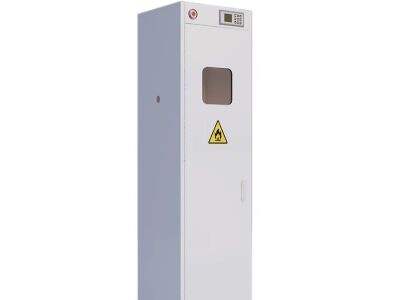
Gas cylinder cabinets are very important in industrial laboratories. They help keep gas cylinders safe and organized. Gas cylinders contain gases that can be dangerous if not handled properly. For example, gases may explode if stored incorrectly, or they may leak and cause injuries. Organizations must ensure that they use cabinets for the safe storage of these cylinders. At Rio Tinto Steel Cabinet, we understand how important workplace safety is. Our cabinets are built to protect workers and the surrounding environment while keeping everything organized
What Are the Key Benefits of Gas Cylinder Cabinets for Industrial Safety
Gas cylinder cabinets provide many advantages for safety in work environments. First, these gas cylinder cabinets keep cylinders in a secure location. This prevents workers from accidentally bumping into them or tipping them over. When stored properly, the risk of accidents is significantly reduced. It is also easier to keep track of how many cylinders are available and what gases they contain. This organization helps avoid confusion, especially in busy laboratories with multiple ongoing operations. Another benefit is that these cabinets are made from durable materials. They can withstand chemical exposure and fire. This protection is especially important if a leak or accident occurs. A cabinet can help contain leaks and prevent gases from escaping into the surrounding environment. In addition, many cabinets come with ventilation systems. Proper ventilation reduces the risk of hazardous gases accumulating inside the cabinet. If gases build up, they can become dangerous to nearby personnel. With a high-quality cabinet, these risks are greatly reduced. Regular inspections and maintenance help ensure that cabinets remain in good condition and continue to perform effectively for years. Overall, gas cylinder cabinets improve safety, keep workplaces organized, and protect everyone involved
Common Usage Issues with Gas Cylinder Cabinets and How to Solve Them
Although gas cylinder storage cabinets are highly useful, certain issues can arise during use. One common problem is overcrowding. Workers may attempt to store too many cylinders in a single cabinet, which can damage the cylinders or obstruct proper ventilation. To prevent this, the number of cylinders should always remain within the cabinet's designed capacity. Another issue is neglecting regular inspections. If cabinets are not checked routinely, leaks or damage may go unnoticed. Inspections should be an essential part of the facility's safety program. Establishing a regular inspection schedule helps ensure everything remains in good condition. Workers should also receive proper training on the correct use of gas cylinder cabinets. They need to understand how to load and unload cylinders safely, as well as what to do during emergencies. Training programs should include practical exercises and emergency drills. Finally, some cabinets are installed in unsuitable locations. Placing a cabinet in a confined area or near a heat source can increase safety risks. Selecting an appropriate location that is easily accessible while remaining away from potential hazards is essential. Addressing these issues will improve both safety and performance. At Rio Tinto Steel Cabinet, we are committed to making laboratory safety a top priority
What Regulations Govern Gas Cylinder Safety in Industrial Laboratories
In industrial laboratories, safety is extremely important, especially when handling gas cylinders and vertical gas cylinder cabinet. These containers store gases such as oxygen, nitrogen, and acetylene. Because these gases can be hazardous if not managed properly, laboratories must comply with various regulations. One major regulatory body is OSHA, the Occupational Safety and Health Administration. OSHA provides guidelines for the safe storage, handling, and disposal of gas cylinders. For example, OSHA requires all cylinders to be clearly labeled so workers can easily identify the type of gas they contain. This helps prevent accidents because personnel can quickly recognize whether a gas is flammable, toxic, or otherwise hazardous. Another important authority is the NFPA, the National Fire Protection Association. NFPA standards focus on fire safety and specify how far gas cylinders must be kept from combustible materials. This is critical because a gas leak could potentially ignite and cause serious damage. In addition to OSHA and NFPA requirements, local regulations may impose additional rules regarding the number of cylinders permitted in a specific area and the types of cabinets that must be used. For example, cabinets from Rio Tinto Steel Cabinet are designed with durable construction to support safe storage practices. Following regulations not only helps organizations avoid penalties but also ensures a safer working environment for laboratory personnel
What Features to Look for in a Gas Cylinder Cabinet for Maximum Security
When selecting a gas cylinder cabinet, safety should always be the top priority. A quality cabinet should include several essential features. First, it should have a strong construction, such as steel, to provide reliable protection for stored cylinders. Cabinets from Rio Tinto Steel Cabinet are known for their durability and strength, helping to keep gases secure. Proper ventilation is another critical feature. The cabinet should include ventilation openings that allow gas to escape safely in the event of a leak, preventing dangerous buildup inside the enclosure. A secure locking system is also important. Locks help prevent unauthorized access and reduce the likelihood of accidents. Additionally, clear labels and warning signs should be displayed to identify gas types and associated hazards, ensuring that everyone understands the risks involved. Size is another important consideration. The cabinet should accommodate your cylinders without taking up unnecessary laboratory space. Mobility may also be beneficial. Some cabinets are equipped with wheels, making them easier to relocate if the laboratory layout changes. Overall, choose a cabinet that offers strong security, effective ventilation, reliable locking mechanisms, clear labeling, appropriate sizing, and mobility when needed
How to Optimize Your Gas Cylinder Cabinet for Better Safety Compliance
To ensure your gas cylinder cabinet meets safety requirements, perform regular inspections and maintenance. Start by keeping the cabinet organized. Store cylinders properly, placing heavier cylinders at the bottom and lighter ones above. This arrangement helps prevent tipping and makes it easier to identify stored cylinders. Inspect cylinders regularly for signs of corrosion, damage, or leaks. If any issues are discovered, report them immediately to prevent potential hazards. Another useful practice is maintaining an inventory log. Record the types of gases stored, the number of cylinders, and the dates of the most recent inspections. This documentation helps laboratory personnel stay informed about cabinet contents and maintenance status. Employee training is also essential for compliance. Workers should understand proper handling procedures and the risks associated with different gases. Regular emergency drills reinforce correct responses during incidents. Finally, clearly label the cabinet with emergency contact numbers and response procedures so personnel know what actions to take if a problem occurs. By maintaining organization, conducting inspections, keeping accurate records, providing training, and displaying clear procedures, you can improve safety compliance and create a safer workplace. These measures help laboratories meet regulatory requirements while protecting employees.
Table of Contents
- What Are the Key Benefits of Gas Cylinder Cabinets for Industrial Safety
- Common Usage Issues with Gas Cylinder Cabinets and How to Solve Them
- What Regulations Govern Gas Cylinder Safety in Industrial Laboratories
- What Features to Look for in a Gas Cylinder Cabinet for Maximum Security
- How to Optimize Your Gas Cylinder Cabinet for Better Safety Compliance